Insulation keeps your home comfortable year-round by reducing heat loss in winter and heat gain in summer. Choosing the right type improves energy efficiency, lowers utility bills, and creates a healthier living space.

Tyvek is a weather-resistant barrier (house wrap) designed to control air and water intrusion while allowing moisture to escape. Made from high-density polyethylene fibers, it blocks rain and wind yet lets walls “breathe” to prevent mold. By reducing air leaks, Tyvek helps maintain insulation performance and improve energy efficiency. Specialized products like ThermaWrap® add layers for increased thermal performance, while StuccoWrap® enhances drainage behind specific claddings.
Explore More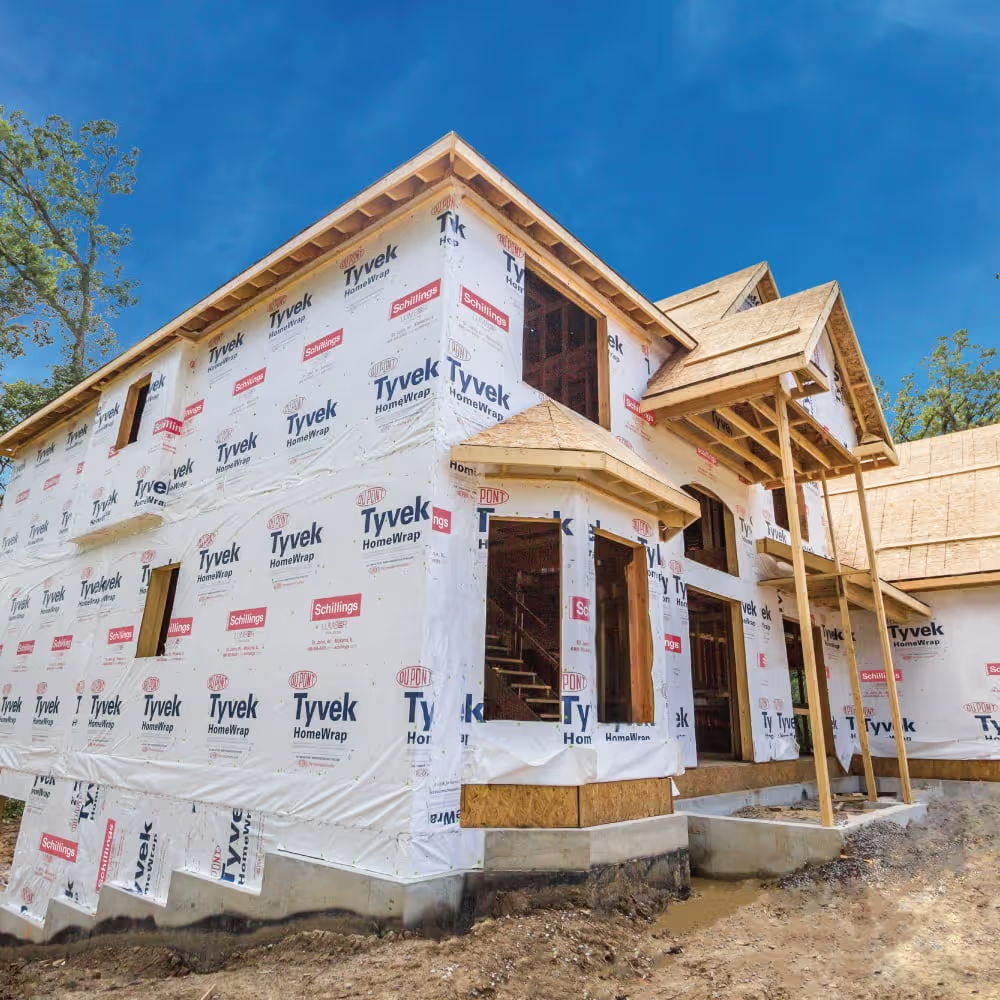
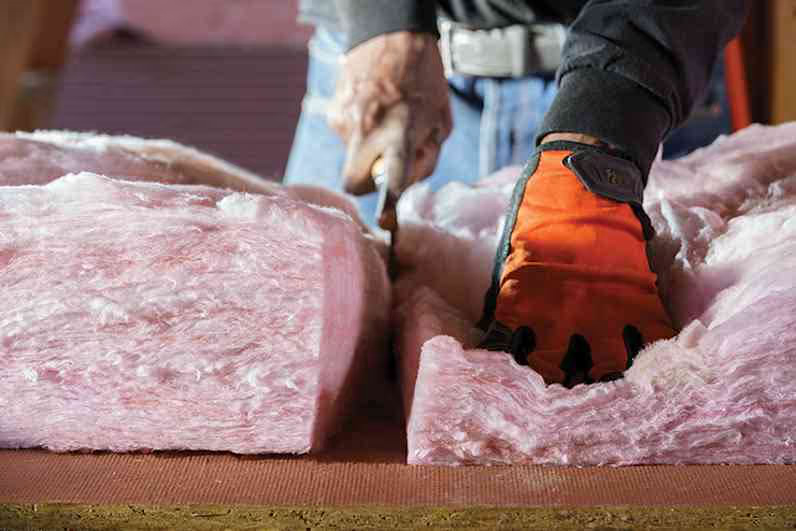
Owens Corning manufactures fiberglass, XPS foam board, mineral wool, and cellular glass insulation engineered for energy efficiency and comfort. Products like PINK Fiberglas™ and Thermafiber® Mineral Wool provide sound control, fire resistance, and moisture protection. Durable and easy to install, they maintain performance over time while supporting sustainability through recycled content and formaldehyde-free materials.
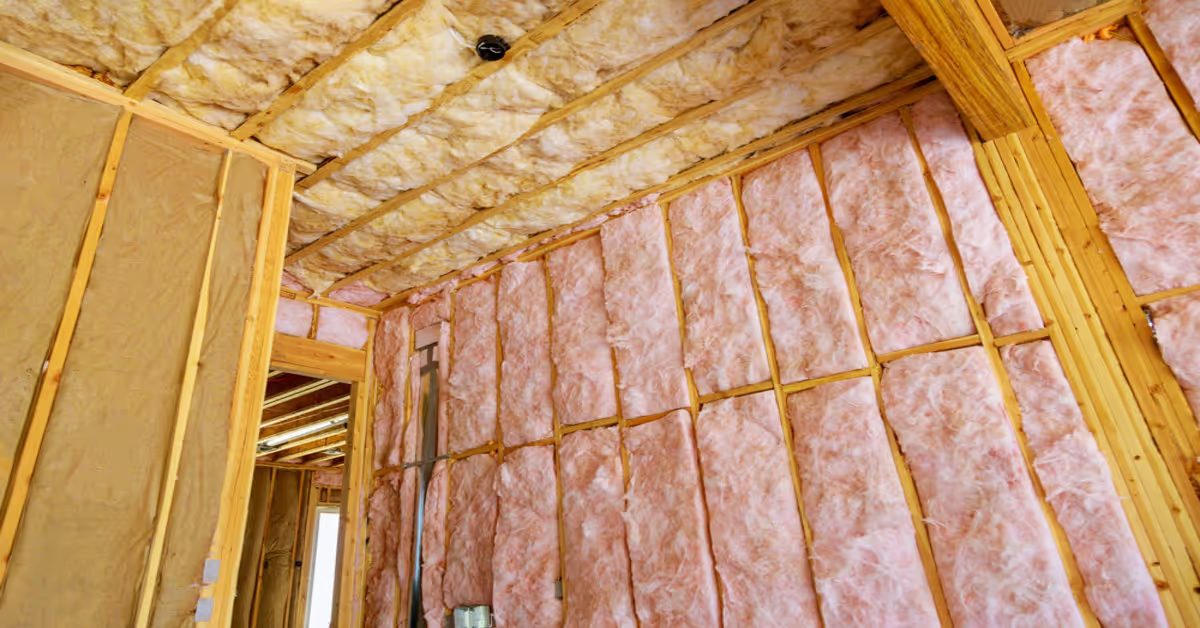
Explore MoreOne of the most common and affordable insulation types made from molten glass that is spun or blown into fibers. Installed as batts, blankets, or loose-fill, fiberglass helps regulate temperature and reduce energy costs. It’s widely available and a practical choice for attics, walls, and floors.
Explore More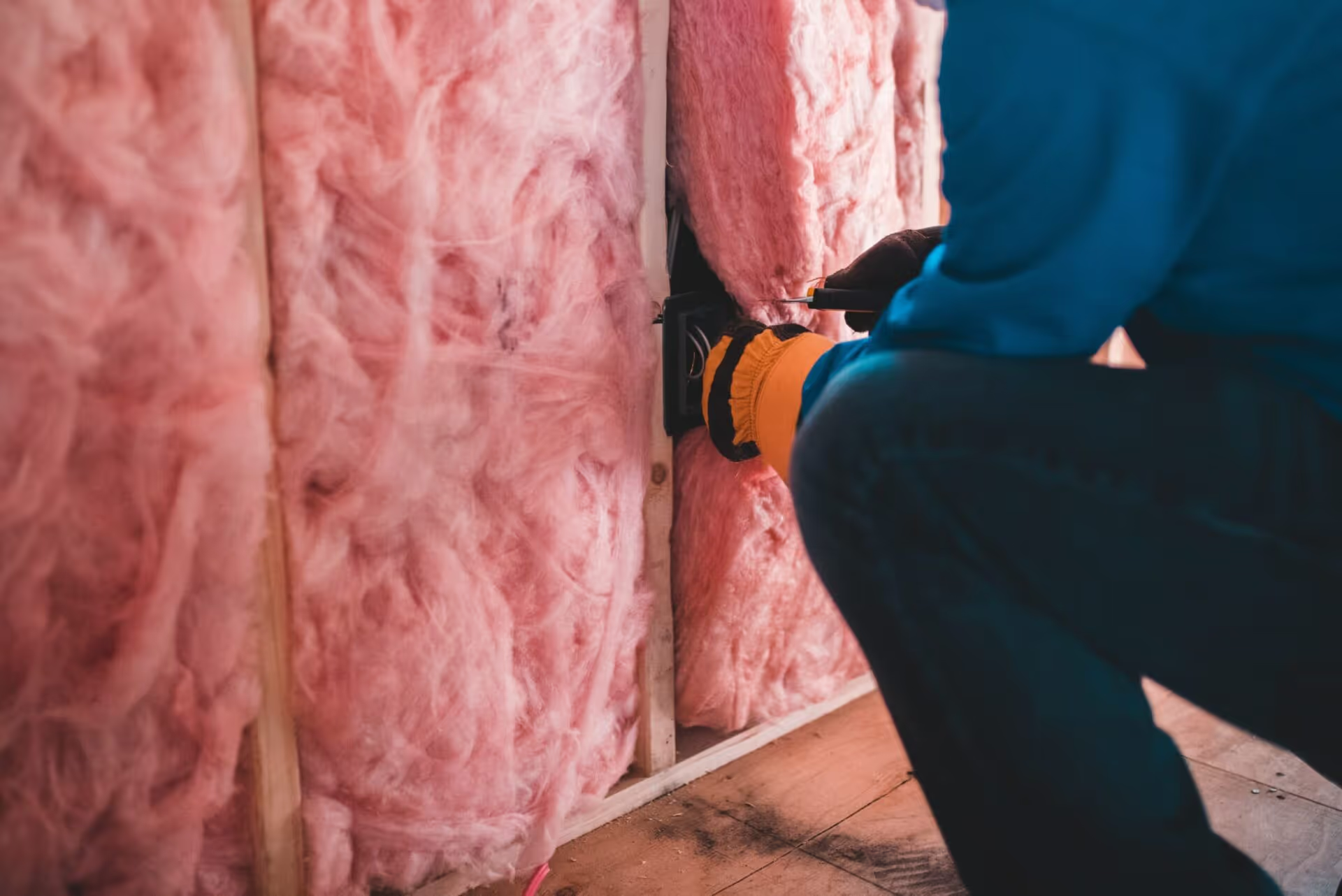
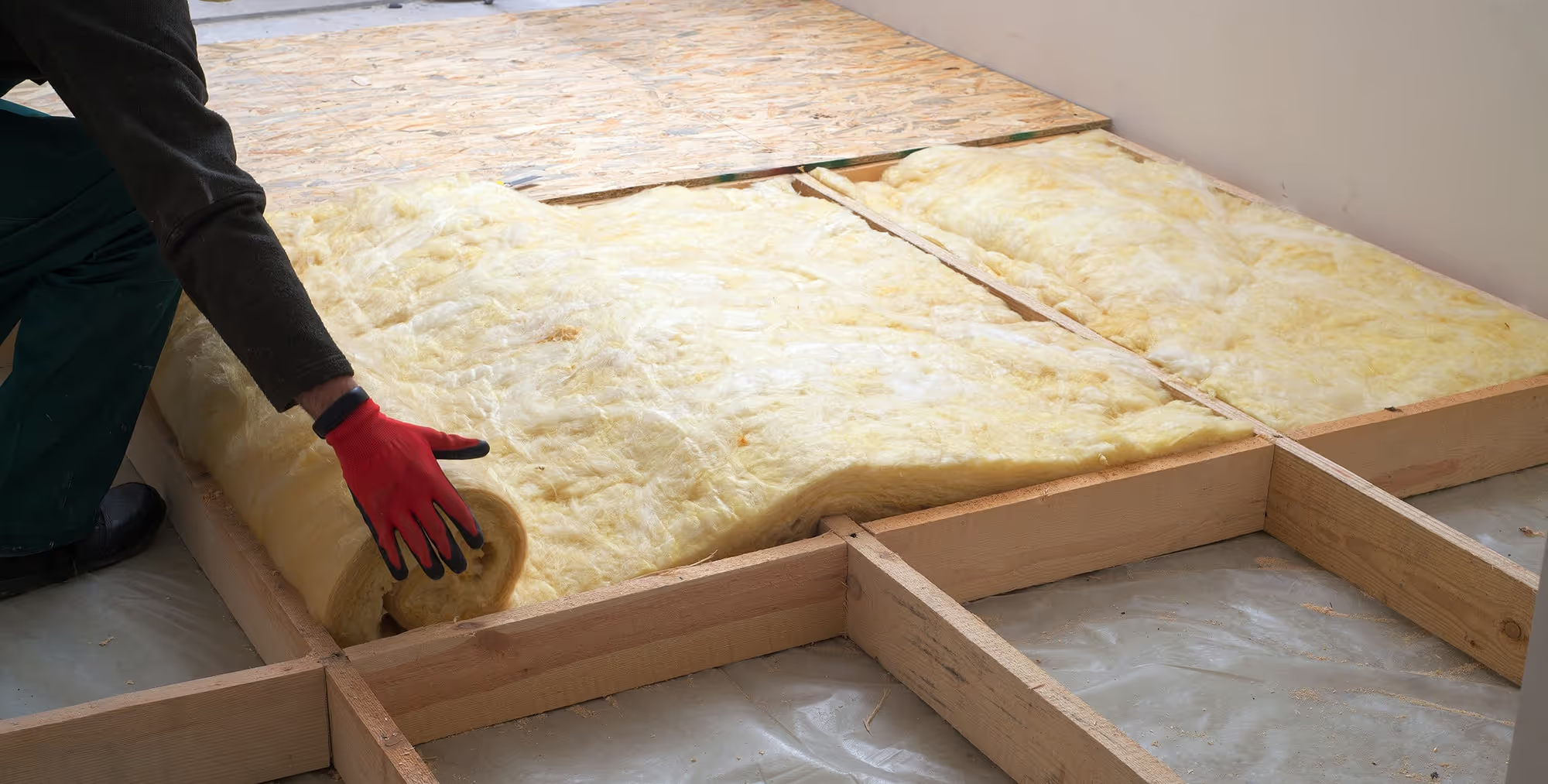
Made from spun mineral fibers, mineral wool offers excellent fire resistance and soundproofing in addition to thermal performance. It’s durable, moisture-resistant, and often used in walls or attics where added protection is important.
Explore MoreAn eco-friendly option made from recycled paper, typically newspapers, treated for fire resistance. Blown into walls or attics, cellulose fills irregular spaces well, reducing drafts and improving efficiency. It’s cost-effective and sustainable.
Explore More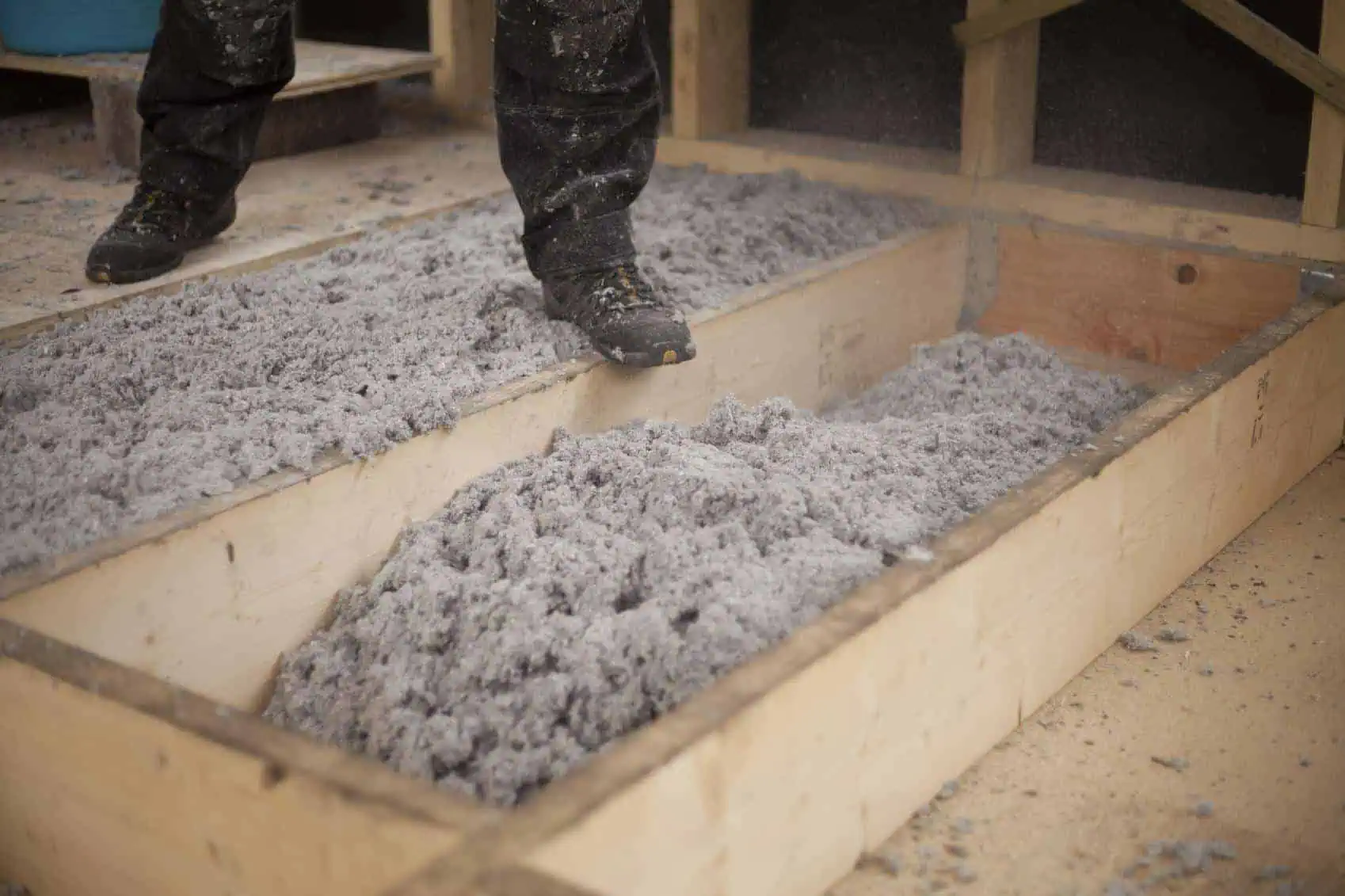

Applied as a liquid that expands into foam, this insulation seals every gap and crack. It provides one of the highest R-values, excellent air sealing, and long-lasting performance. Ideal for hard-to-reach areas but generally more expensive.
Explore MoreSolid panels made of polystyrene, polyisocyanurate, or polyurethane. Rigid foam adds strength and moisture resistance, making it great for basements, foundations, and exterior walls. It provides consistent insulation and helps reduce air leakage.
Explore More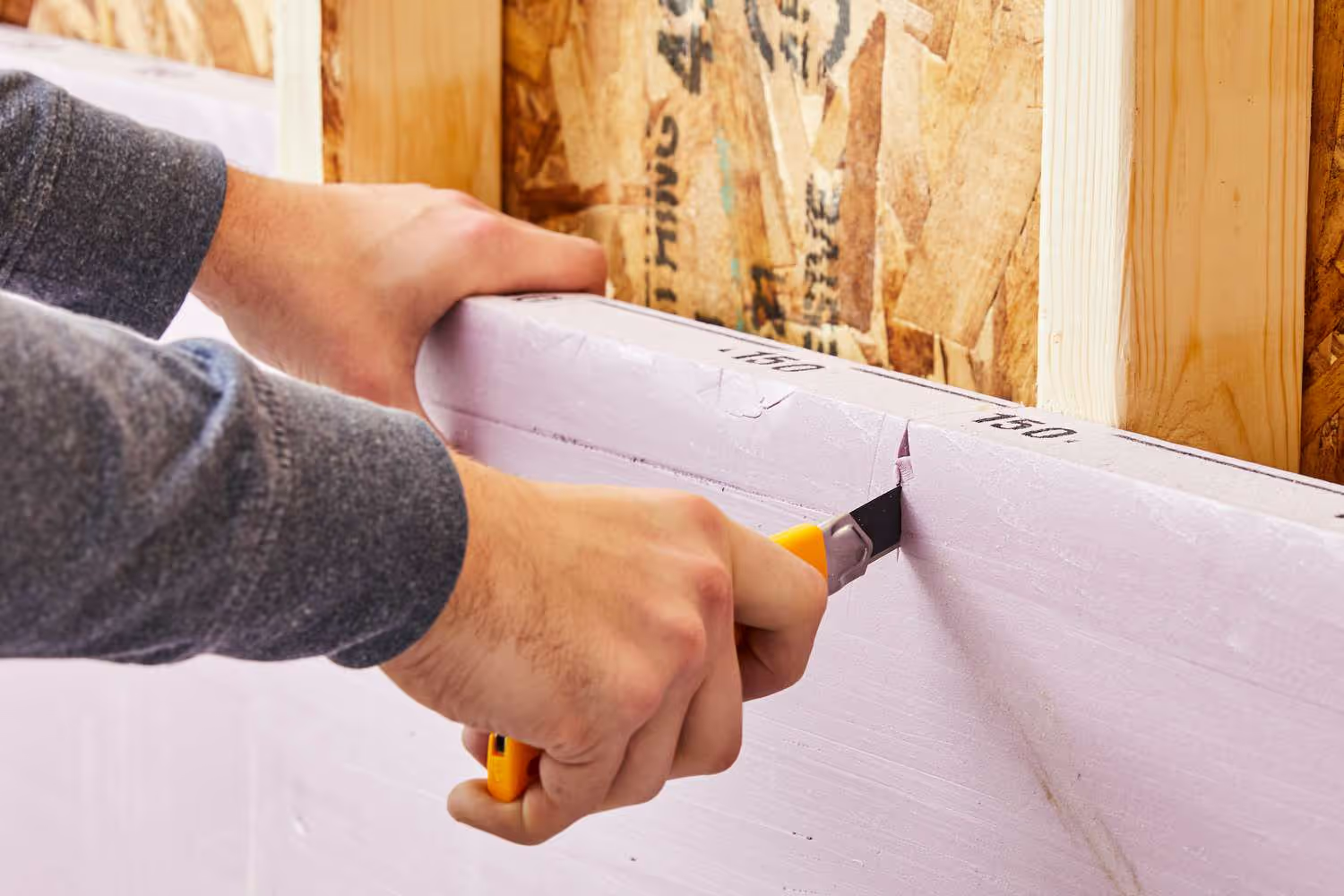
Quick compare
.svg)
.svg)
.svg)
.svg)
R-Value is the measure of how well insulation resists heat flow. The higher the R-Value, the better the material performs at keeping warm air in during winter and out during summer. Every insulation type has a different R-Value per inch, so thickness and material both matter. The right R-Value also depends on where you’re insulating—attics, walls, basements, and floors each have different requirements to maximize comfort and energy savings.
Choosing the right insulation comes down to where it’s going, what it needs to do, and the conditions it’s up against. The right material can make your home more comfortable, quieter, and energy-efficient year-round — saving you money while keeping temperatures steady through every season.

Each area of a home has different needs — match the insulation to where it’s used.

Higher R-values mean better temperature control and efficiency.

Pick materials that stand up to humidity and prevent mold.

Better insulation means lower bills and year-round comfort.
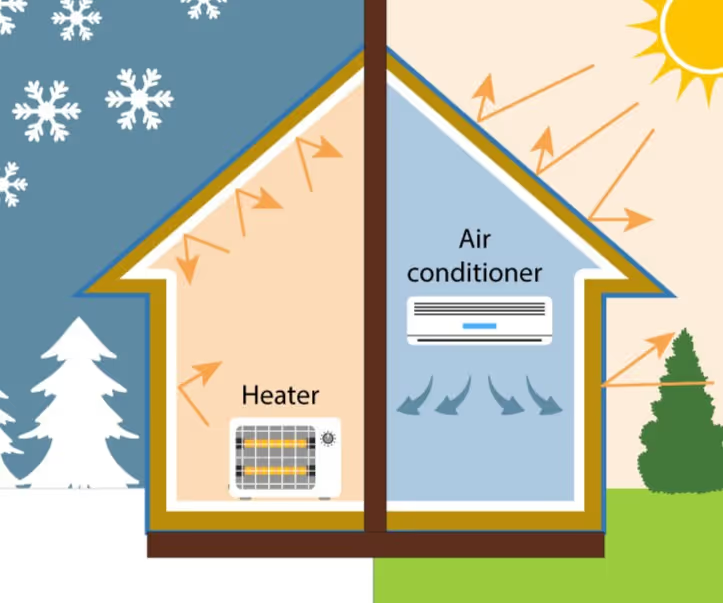

Your attic is the first place to insulate — it’s where most heat escapes in winter and builds up in summer. Adding blown-in, batt, or spray foam insulation here keeps the entire home more comfortable and reduces energy bills.

Exterior walls protect against outside temperatures. Insulating them helps maintain even indoor temps and reduces drafts. Fiberglass or cellulose insulation works best here, depending on the wall type.
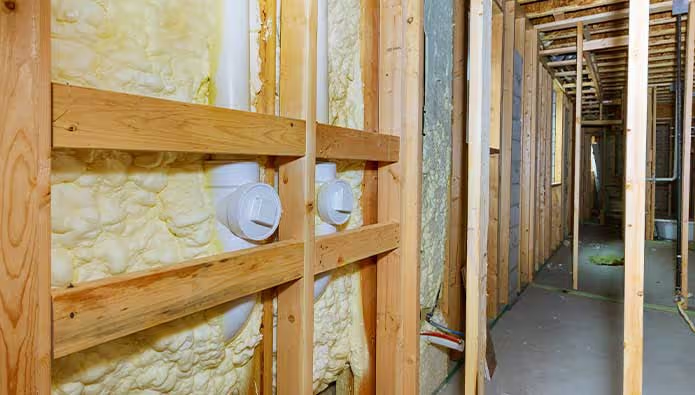
Basement insulation adds warmth, keeps moisture under control, and can make the space more livable. Use foam board or spray foam along foundation walls to prevent condensation and air leaks.
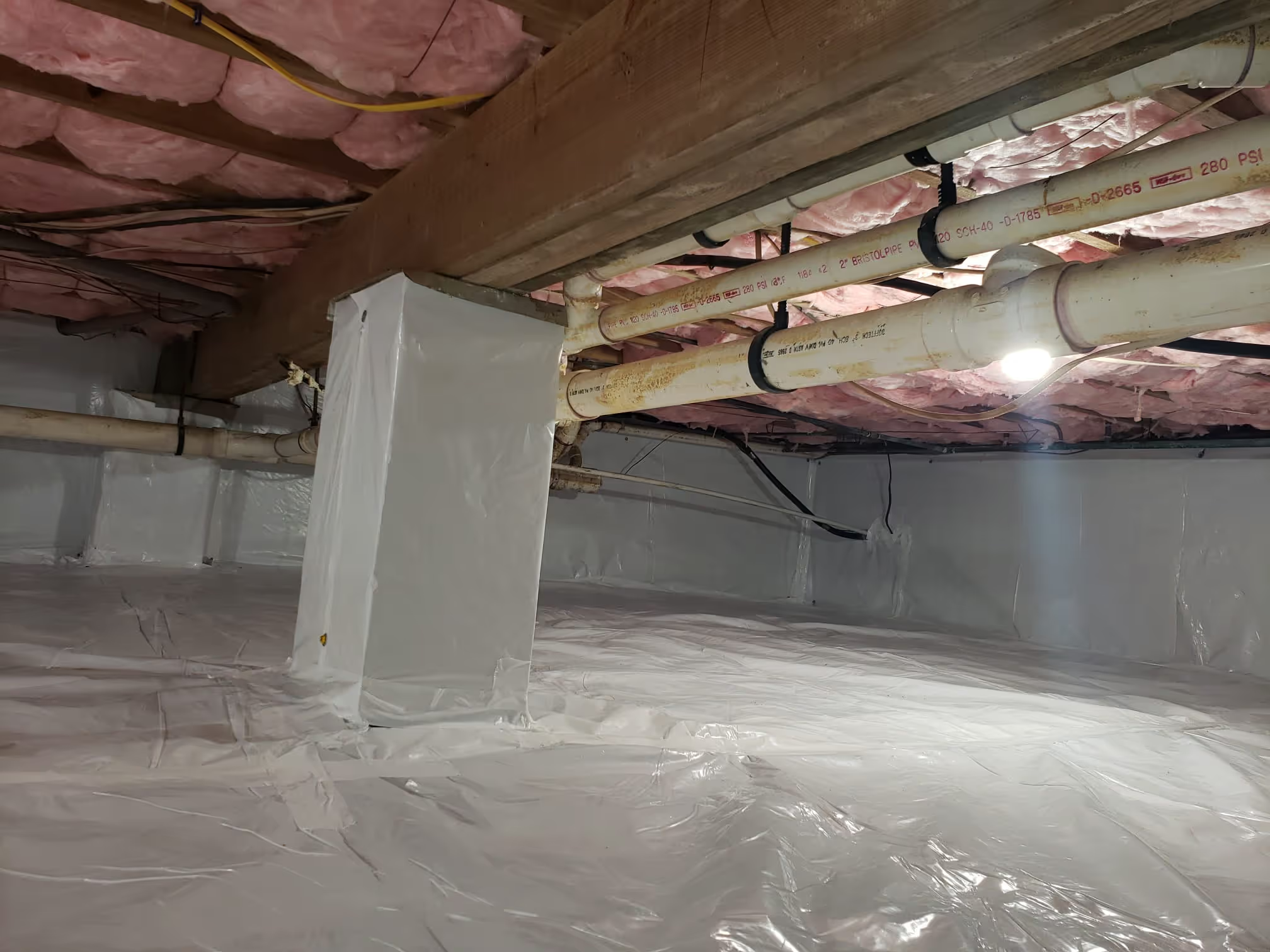
Crawl spaces let heat slip away and moisture creep in. Insulating and sealing these areas helps prevent cold floors, humidity, and mold growth. Rigid foam or fiberglass batts work well with a vapor barrier.
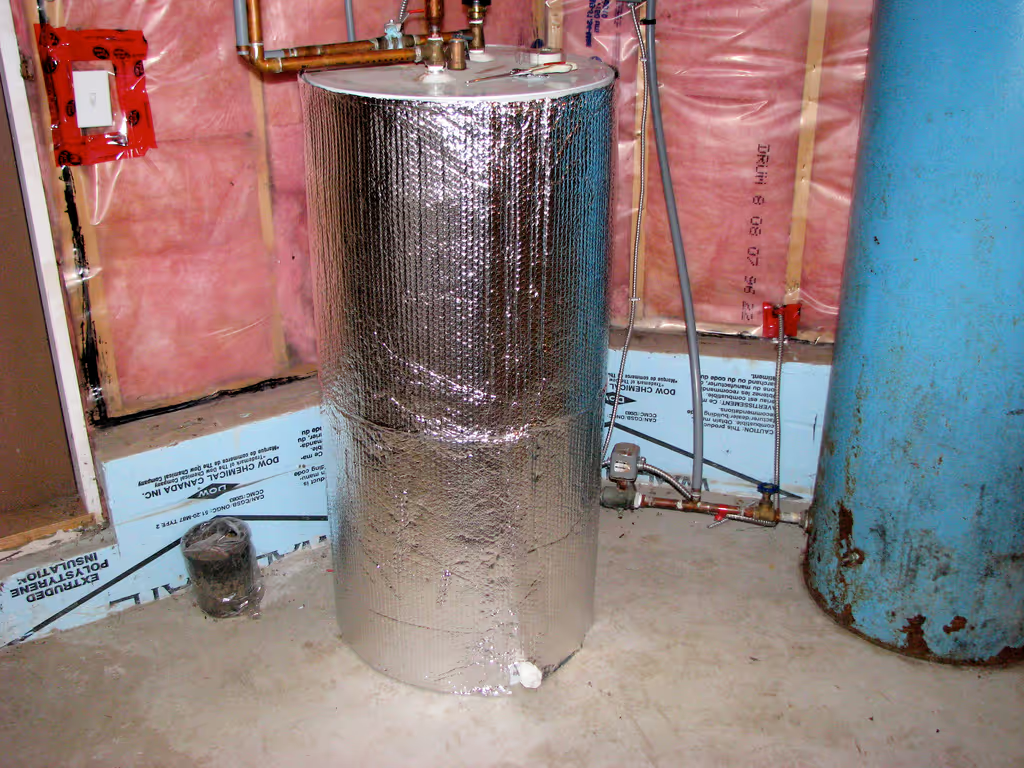
Wrap your water heater with an insulation jacket (R-8 or higher) to reduce heat loss by up to 45%. It’s an easy upgrade that saves around 5–10% on water heating costs.
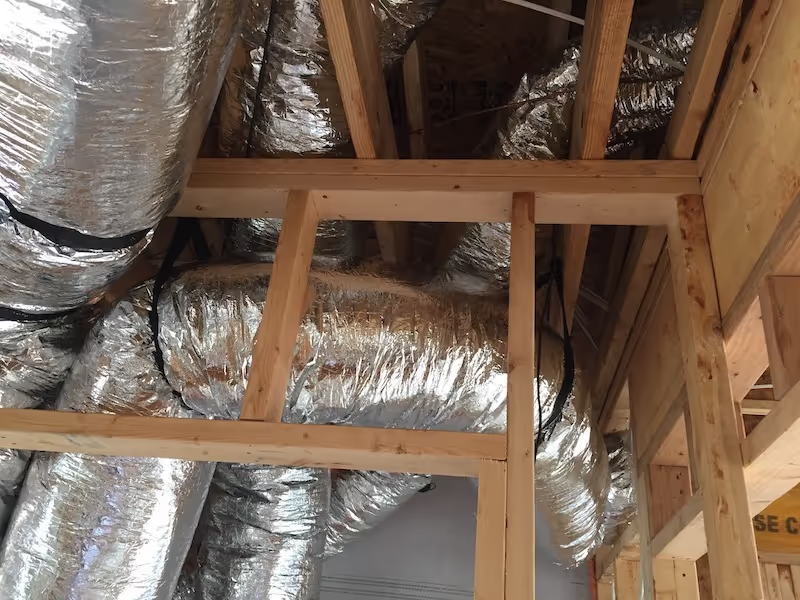
Insulated ductwork delivers air more efficiently and reduces noise and heat loss. Focus on unconditioned areas like attics, crawl spaces, or garages where ducts can easily lose energy.
.svg)
.svg)
%20(1)%20(2).svg)