Trim is the finishing detail that ties a room together. From baseboards to crown molding, the right trim adds style, protects surfaces, and creates smooth transitions between walls, floors, ceilings, doors, and windows.
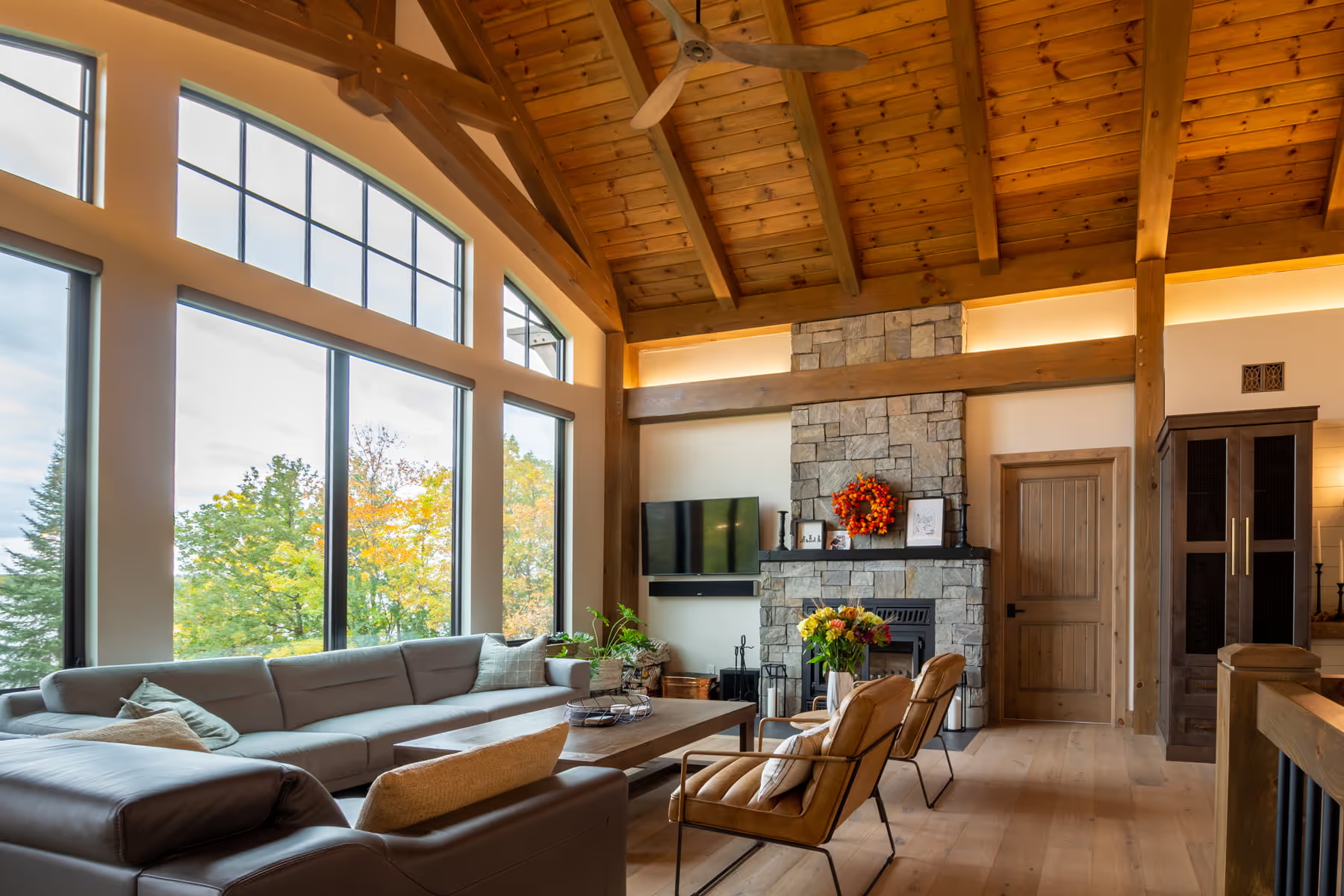
Wood trim is the traditional choice, offering natural warmth and character. It can be painted or stained to match any style, and comes in a wide range of profiles. While durable, wood is more vulnerable to moisture and may require regular painting or sealing to keep it looking fresh. Homeowners often choose wood for its timeless appeal and ability to add value to a space.
Explore More
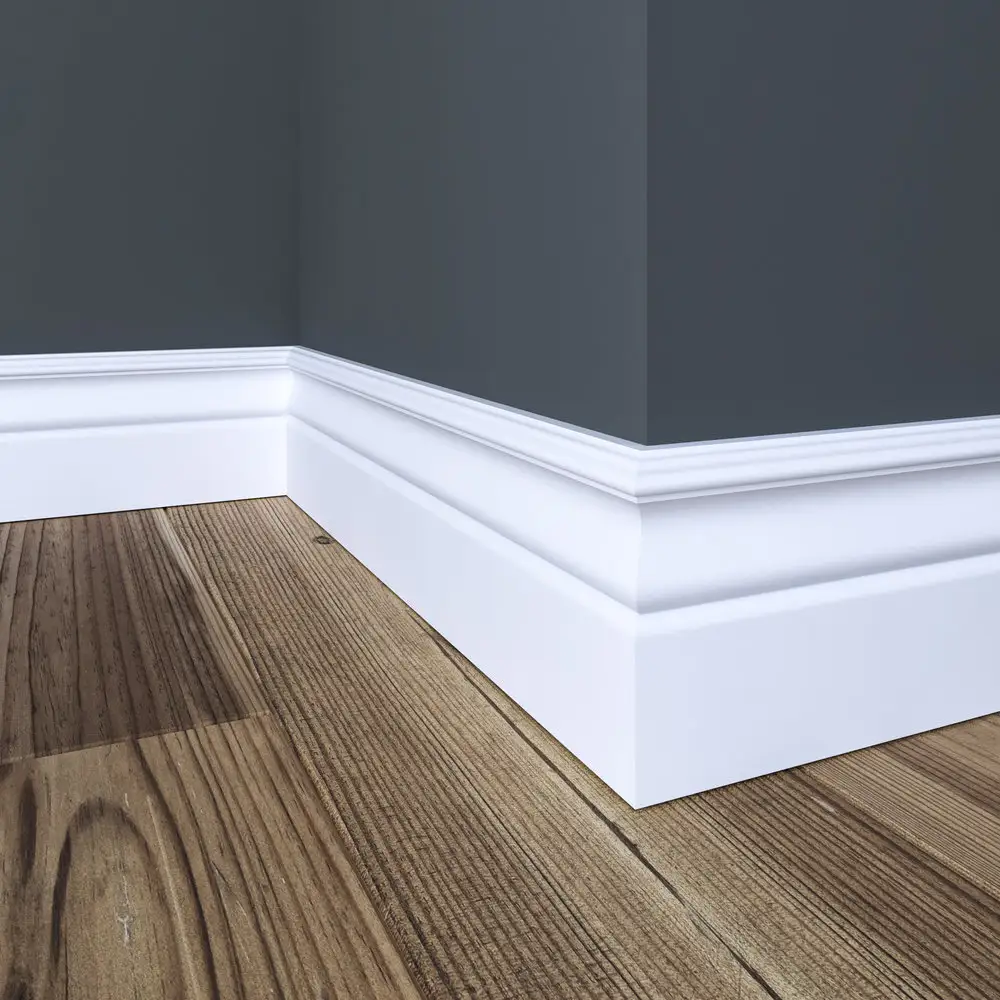
Medium-Density Fiberboard (MDF) trim is smooth, consistent, and budget-friendly. It takes paint exceptionally well, making it a popular option for modern interiors. However, it’s less durable than wood and not ideal for high-moisture areas, as it can swell if exposed to water. For homeowners looking for an affordable trim option with a clean, uniform finish, MDF is a practical choice.
Explore MorePVC trim is made from durable, moisture-resistant plastic, making it a low-maintenance option that won’t warp, rot, or attract pests. It’s ideal for bathrooms, basements, or other damp environments where wood might struggle. PVC can be painted but is often left white for a clean look. Homeowners value PVC for its durability and “set it and forget it” performance.
Explore More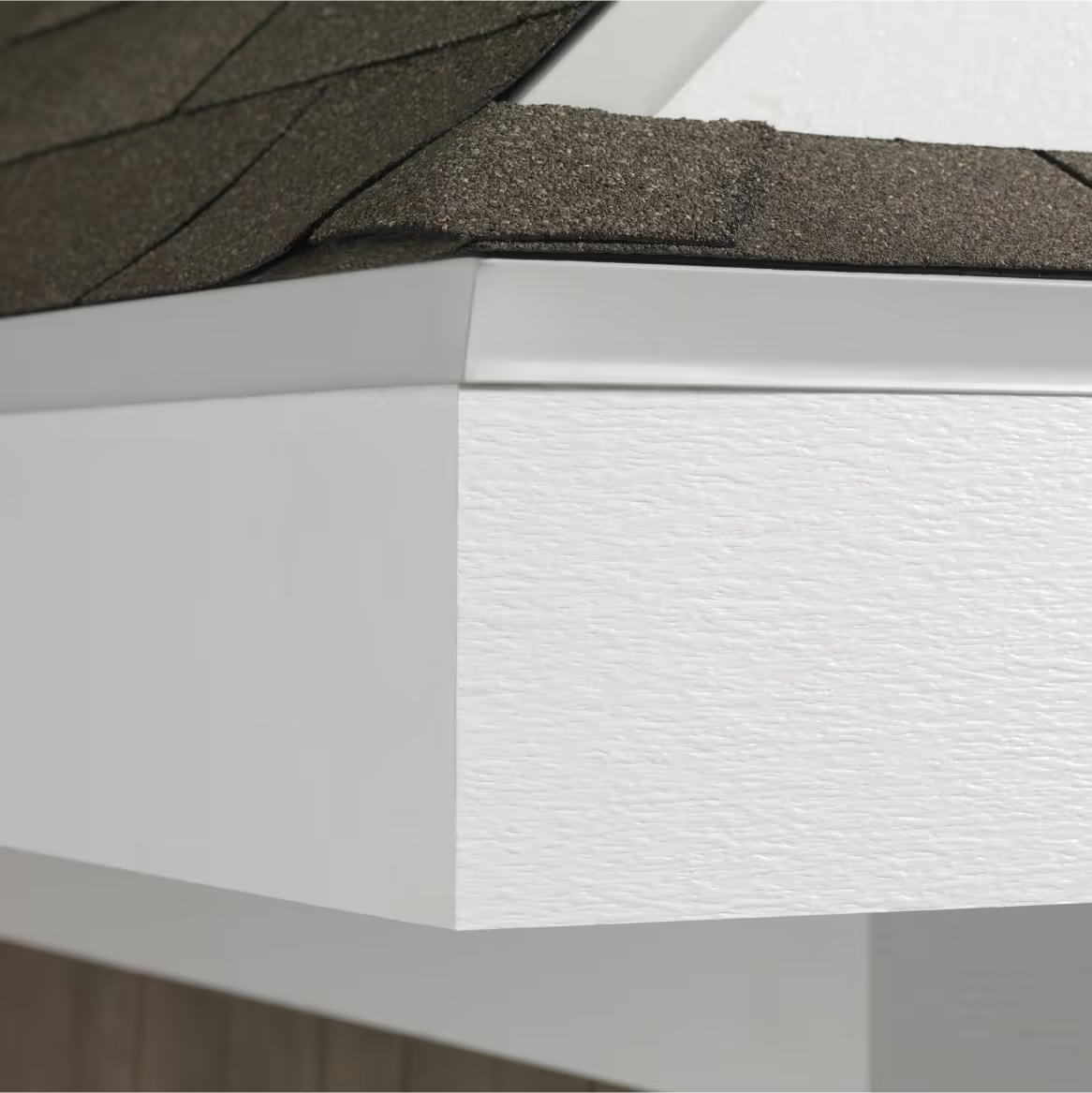
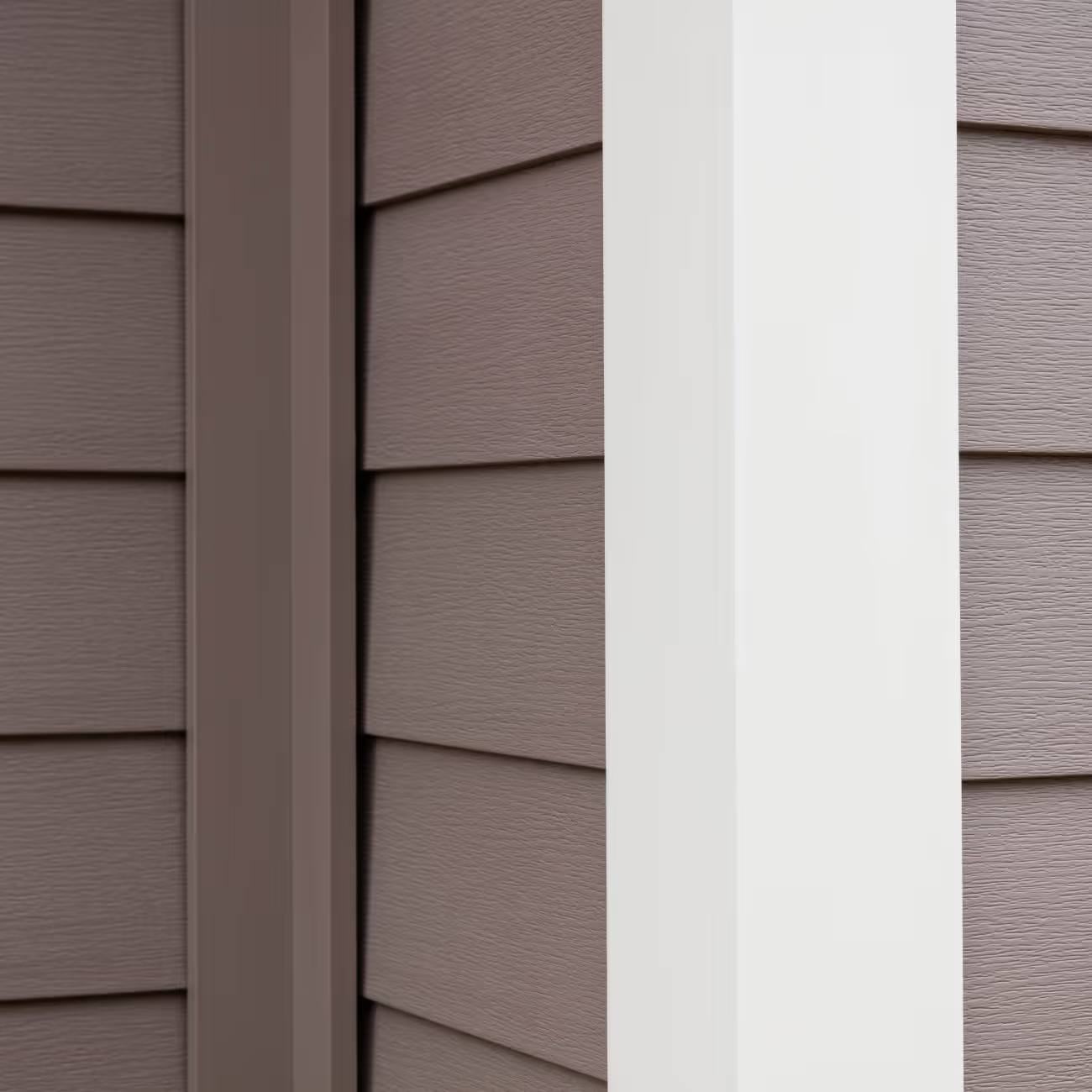
Composite trim combines materials—often wood fibers and resins—to create a strong, stable product. It resists rot, insects, and warping better than solid wood while still offering a natural appearance. Composite trim can be painted and is available in a variety of profiles, making it versatile for nearly any project. Homeowners often choose it as a balance between traditional wood and fully synthetic options.
Explore More.svg)
.svg)
.svg)
.svg)
Trim does more than just finish a room—it protects surfaces, highlights details, and ties everything together. Here are the four key things to consider when looking at different trim styles:

Trim shapes the feel of a room, from simple to elegant.
.svg)
Some trim needs touch-ups, others stay low-maintenance.
.svg)
Trim should stand up to daily wear, from bumps and scuffs to changes in temperature and humidity.
.svg)
Some trim is simple enough for DIY projects, while others require expertise for the best finish.
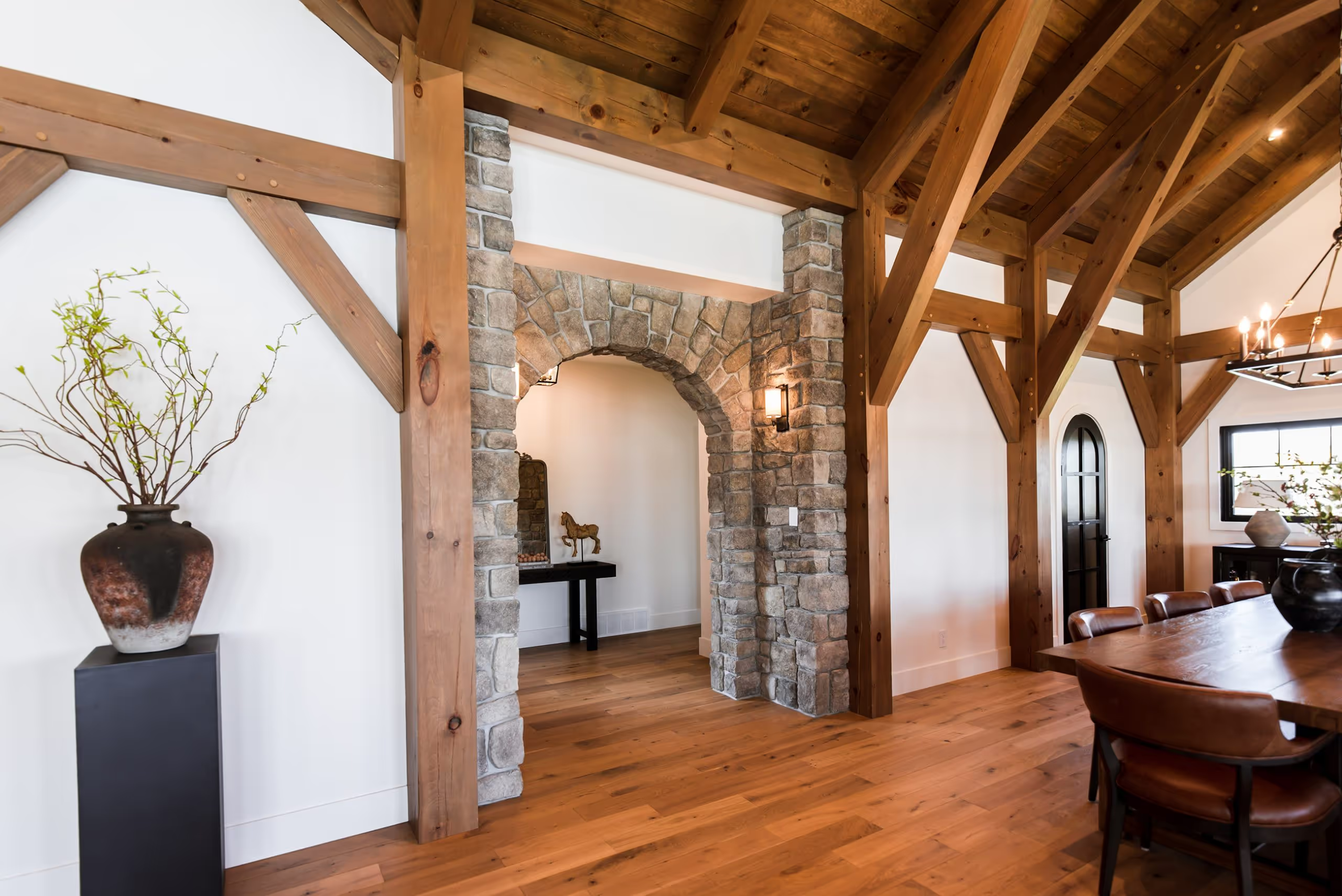
Baseboards are the strips of trim that run along the bottom of walls where they meet the floor. They give any room a clean, finished look while protecting walls from scuffs, vacuums, and everyday wear.
.svg)
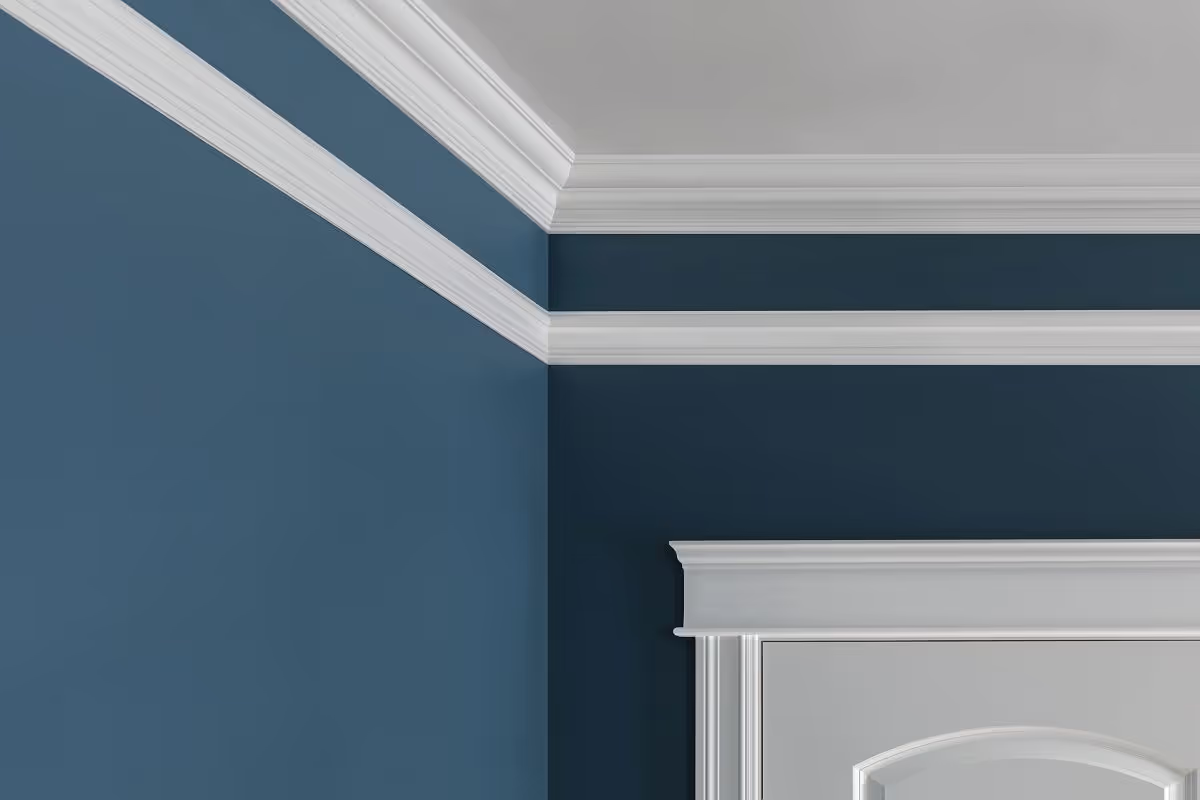
Crown molding is decorative trim that sits at the top of walls where they meet the ceiling. It’s often used to add elegance, make rooms feel taller, and create a polished, upscale finish.
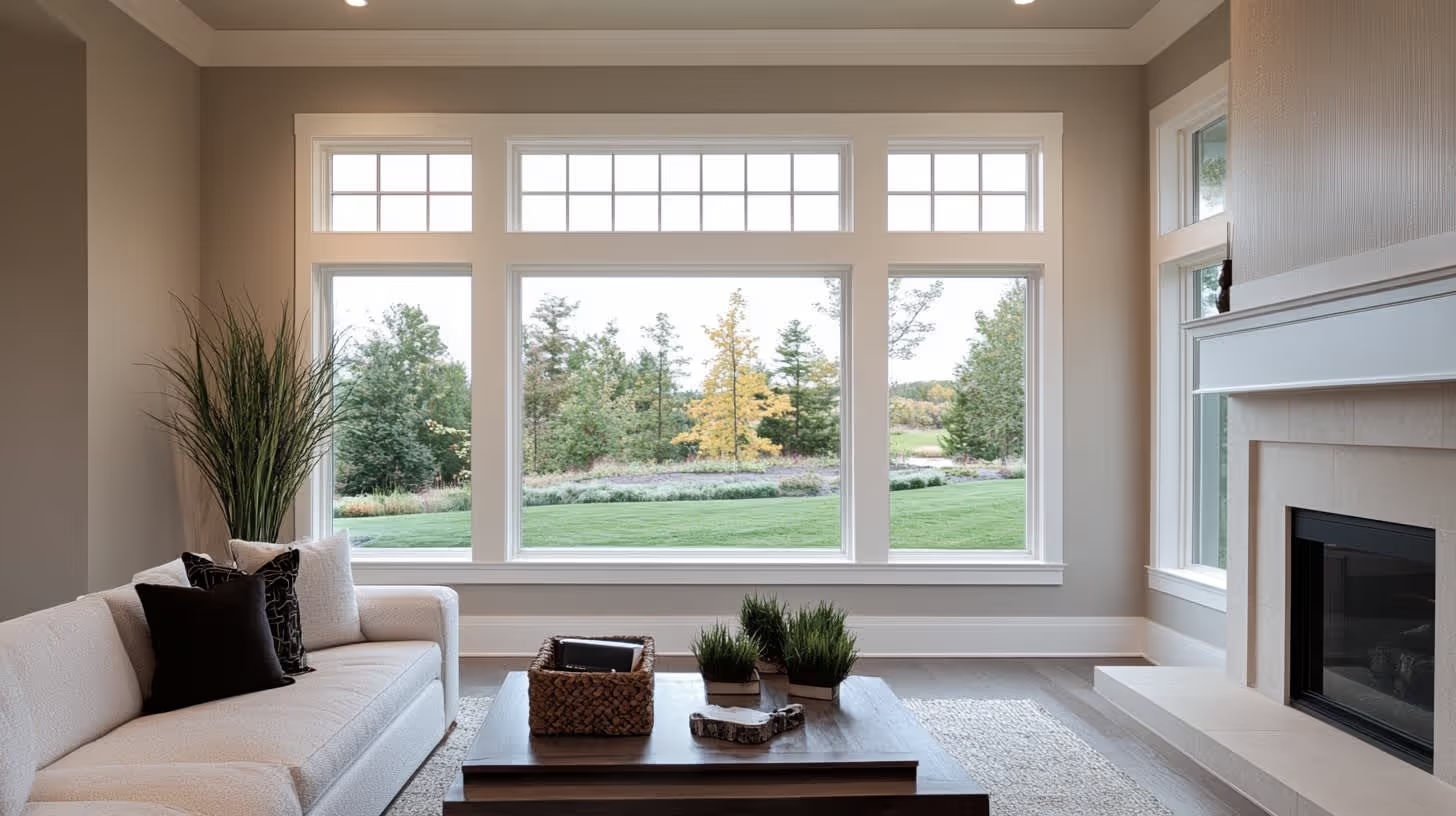
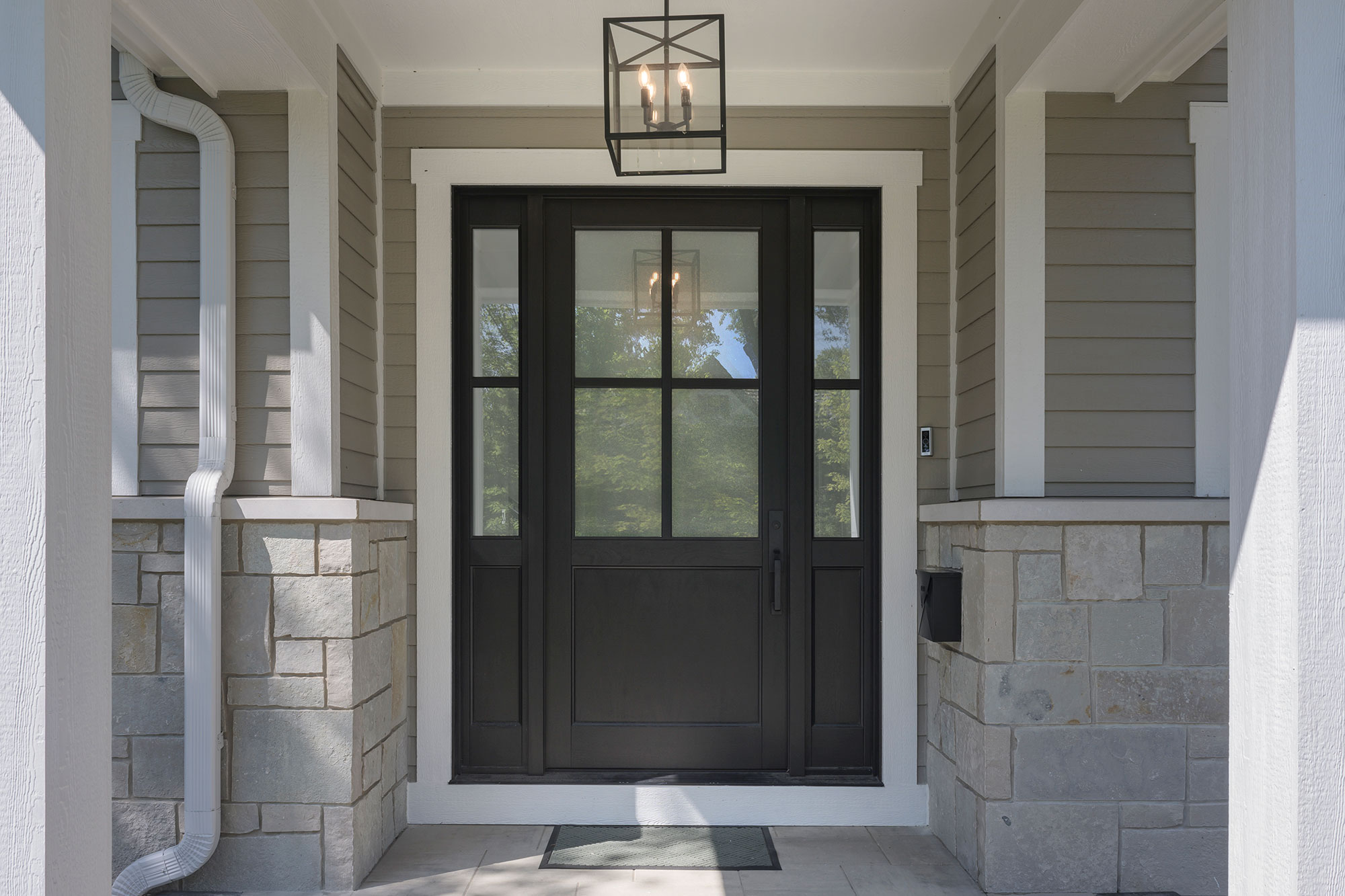
Casings are the trim that frames doors and windows. They cover gaps between the wall and frame while also highlighting these openings as architectural features.
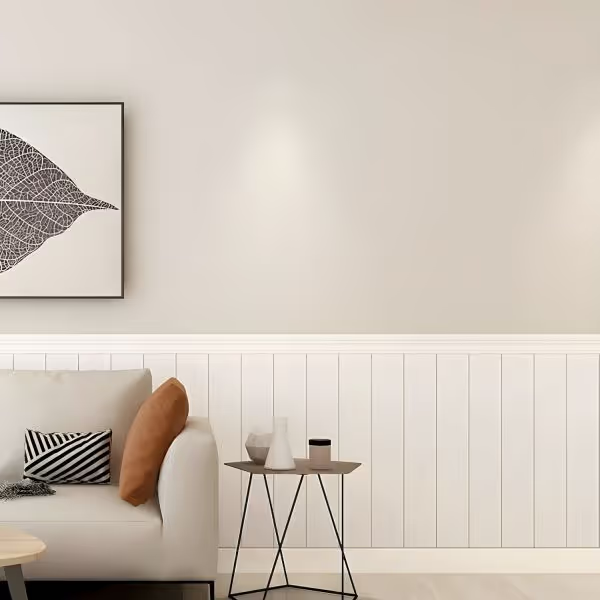
Wainscoting is wood paneling added to the lower part of walls. It provides protection from scuffs and also adds traditional character, texture, and visual interest to a room.
.svg)
.svg)
%20(1)%20(2).svg)