%20(1)%20(2).svg)
Latvela Lumber
This is some text inside of a div block.
Lumber is the foundation of every build. Our premium boards are selected for strength, consistency, and quality that stands the test of time.
Selecting the right lumber means balancing strength, appearance, and durability for your project. The right grade and treatment can make all the difference between a long-lasting structure and one that needs early replacement.

Higher grades have fewer knots and a smoother finish — great for visible work. Standard grades suit framing and structural builds.

Kiln-dried lumber stays straight and resists warping. Green lumber is economical but better for rough or temporary use.

Pressure-treated wood stands up to moisture and insects. Untreated lumber is best for indoor or dry-area projects.

Framing lumber offers strength, finish lumber adds polish, and cedar or specialty woods handle outdoor exposure.
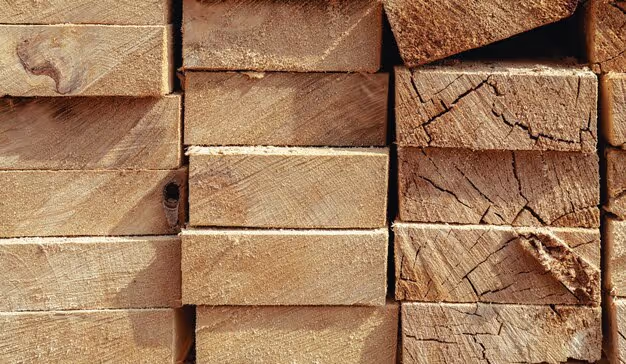
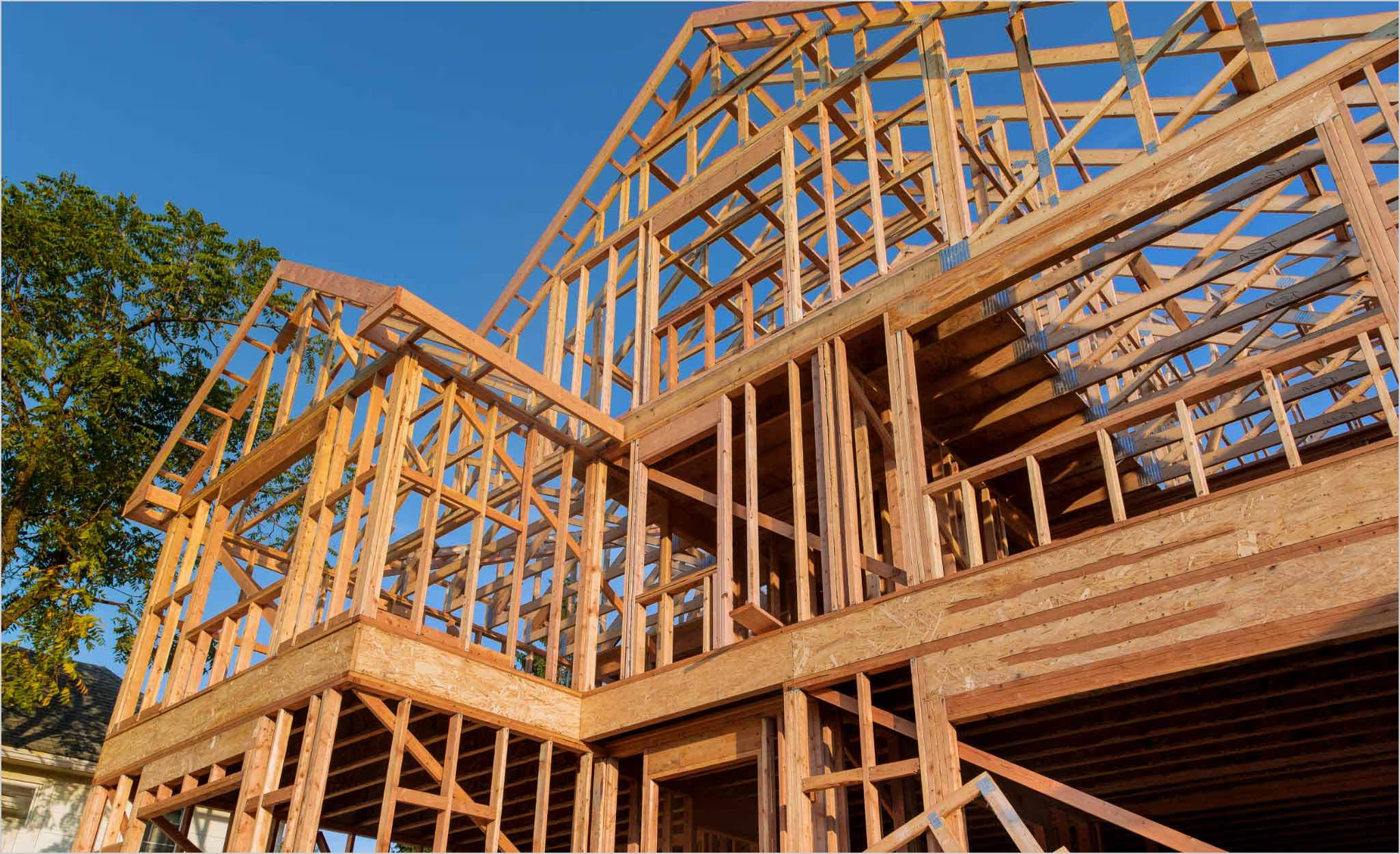
The most common material for residential and commercial builds, framing lumber provides the structure and support for walls, floors, and roofs. It’s reliable, easy to work with, and follows standard building dimensions for faster installation.
.svg)
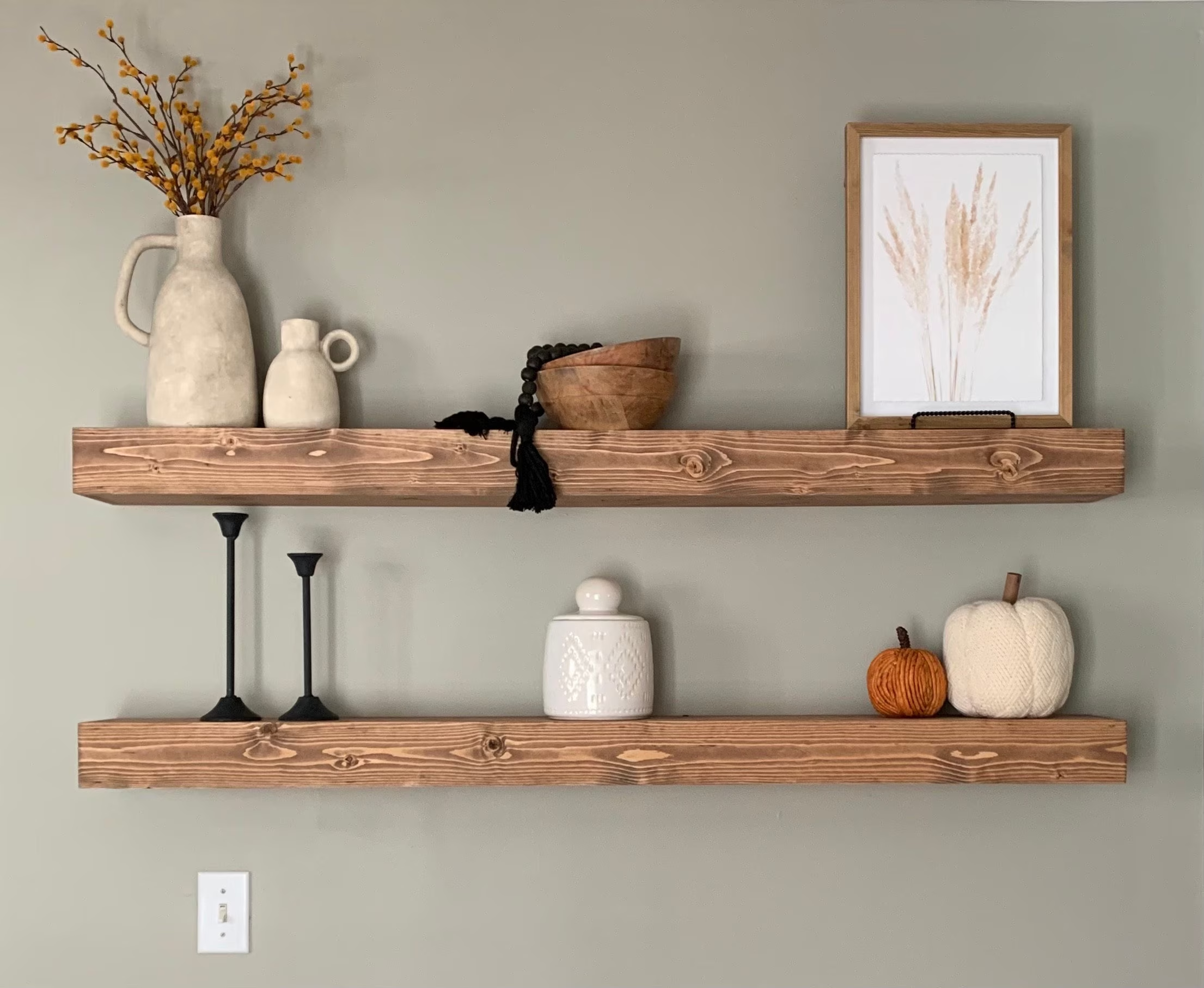
Typically chosen for their clean, finished look rather than strength. They’re ideal for accent walls, shelving, trim, and furniture projects that highlight the wood’s natural texture.
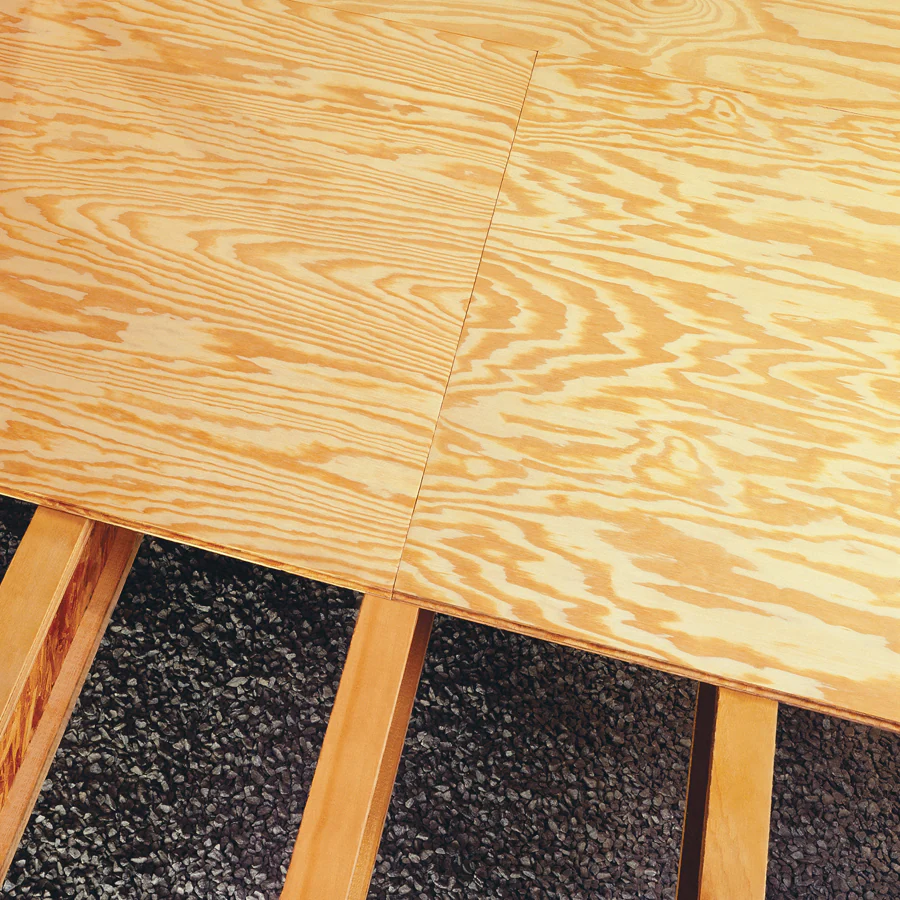
A durable, multi-layered sheet product made by bonding thin wood veneers together. Plywood provides strength, rigidity, and resistance to warping — ideal for both structure and finishing work.
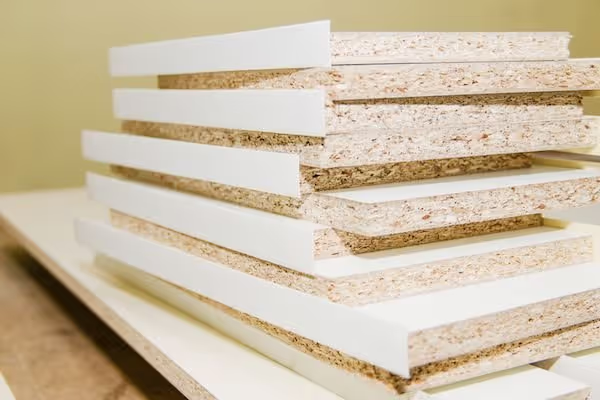
An engineered wood product made from hardwood and softwood bound with resin, creating a dense, smooth surface perfect for interior projects that need a painted or detailed finish.

Naturally durable and beautiful, cedar and specialty woods bring lasting character to exterior and accent projects. Their natural oils protect against decay and weather.
We carry premium-grade lumber known for its clean, uniform look — fewer knots, smoother grain, and a refined surface. While “premium” refers to appearance rather than structural quality, there is a strong correlation: lumber with fewer knots generally has greater strength. This makes it ideal for trim, visible framing, and finish work that demands a polished result.

Premium lumber has minimal knots, splits, or cracks, contributing to a cleaner and more uniform appearance.

High-quality lumber is often easier to cut, sand, and join, leading to a more satisfying and precise woodworking.

The wood grain is typically finer and smoother, which is crucial for finishes like flooring, cabinetry, and exposed beams.
Cornerstone Timberframes designs, fabricates, and installs custom timber frame and mass timber structures for residential and commercial projects across North America. They specialize in fully custom builds—no pre-made kits—ranging from homes and cottages to commercial buildings and outdoor structures. Their energy-efficient designs and sustainable sourcing create durable, eco-conscious buildings with lasting aesthetic appeal.
Explore More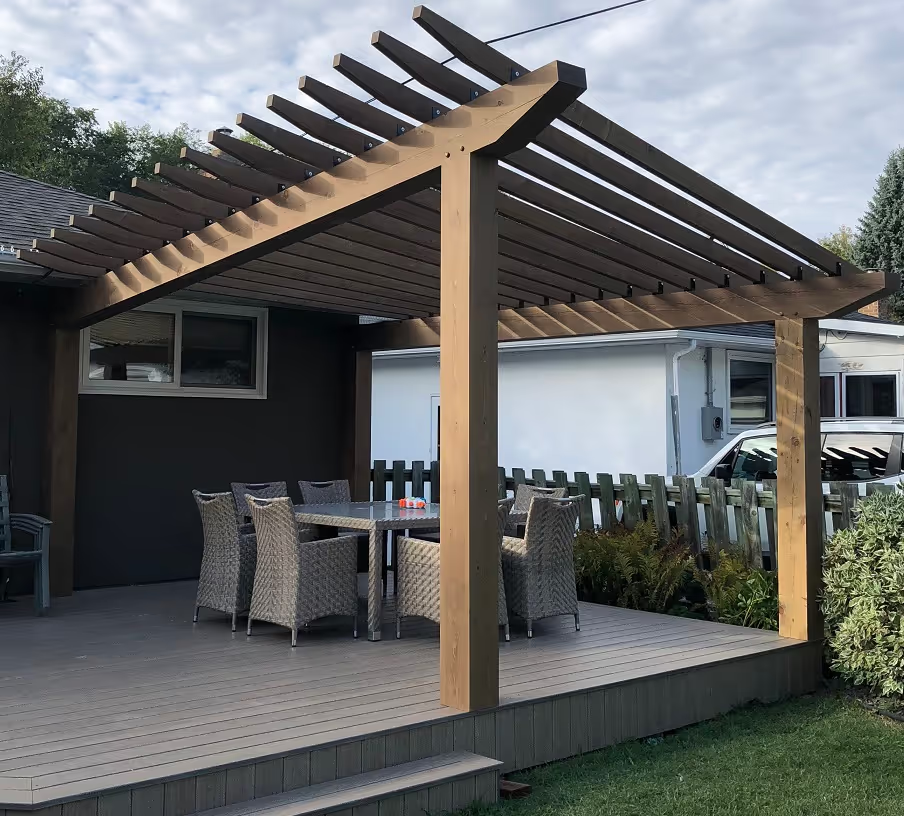
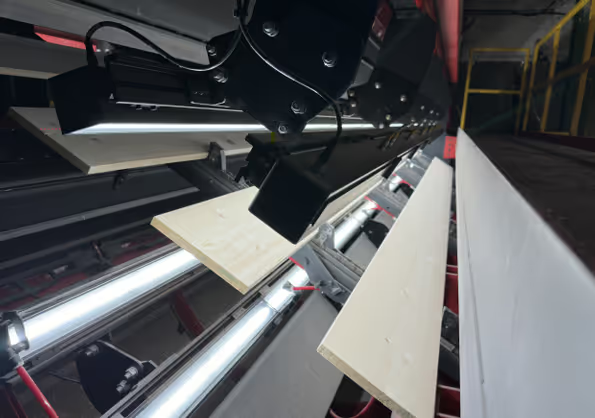
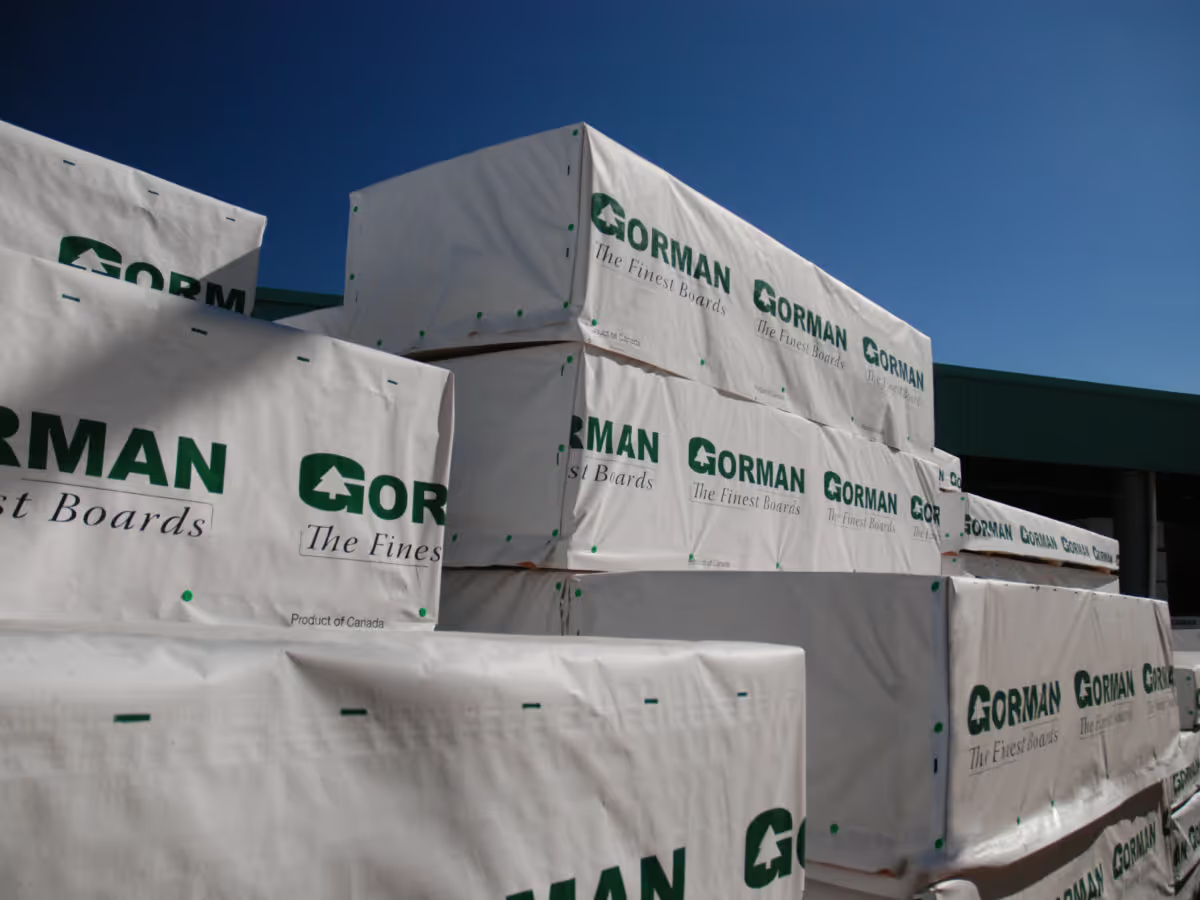
Gorman Bros. Lumber produces high-quality one-inch Spruce and Lodgepole Pine boards, known as “The Finest Boards.” Available in multiple widths, grades, and profiles, their boards are used for finishing, siding, and decorative applications. Each board is graded above industry standards and features “The Gorman Edge”—a smooth, splinter-resistant finish. Through slow kiln drying, heat treatment, and waxed ends, Gorman Bros. ensures exceptional stability, a furniture-grade finish, and consistent performance across every product.
Explore More
Highest grade of hardwood lumber; usually 6" x 8" and is 83% defect-free on its best side
Step below FAS; cut smaller at 4"x 6"and 83% defect free on its best side
Shows more knots and color variation, known as the "cabinet grade"; 3" x 4" and 66% defect free on its best side
More rustic look commonly used for furniture parts, known as the "economy grade"; 3" x 4" and 50% defect free on its best side
Smooth, little to no defects boards used for trim or cabinetry
Has a few more defects than C, ideal for painted finishes
Standard grade lumber with tight knots and natural character, used for visible applications
Larger knots, good for shelving and paneling
Has larger knots than No. 2 Common, best for shelving, paneling, pallets and fences
These features are common in U.S. hardwoods. Some are specific to certain species, while others appear across all types. They form naturally in the wood or develop during the drying process.
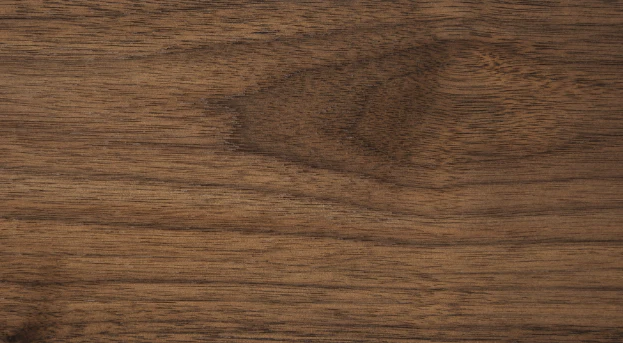
Heartwood is the darker wood at the center; sapwood is the lighter, newer growth
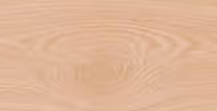
Natural twist or spiral in the wood grain, not caused by a knot
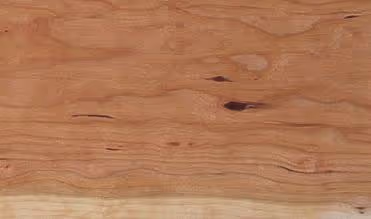
Natural mineral streaks found only in cherry wood
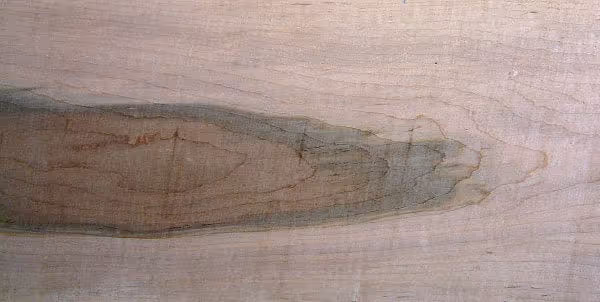
Color streaks from olive to dark brown following the grain
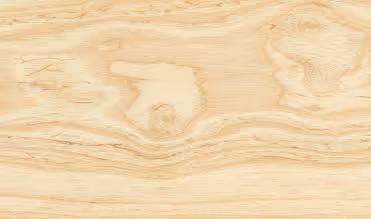
Random mineral-like tracts often with ash
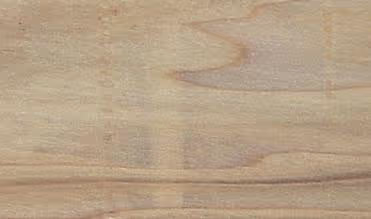
Mark left from a sticker, can be removed by planing
Defects are imperfections that can affect strength or appearance, like cracks, splits, or large knots. They’re common in natural wood and are factored into lumber grading to help determine the best use for each board.
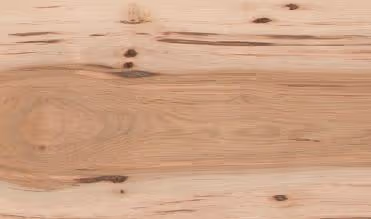
Blemishes in the grain from birds pecking, may contain ingrown bark
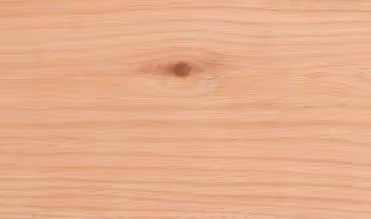
Knot solid across its face with no sign of decay
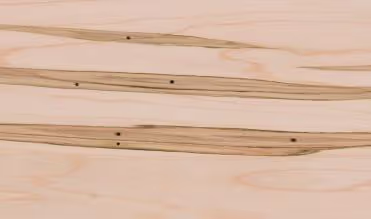
Holes ranging from 1/16" to over 1/3"
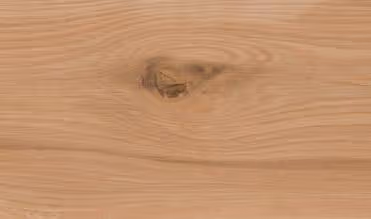
Bark-filled distortion in the grain pattern
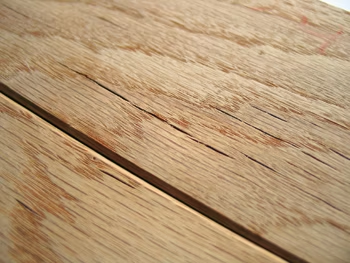
Lengthwise crack from rapid or faulty drying
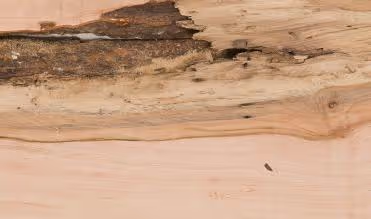
Wood breakdown by fungal decay - discoloration common
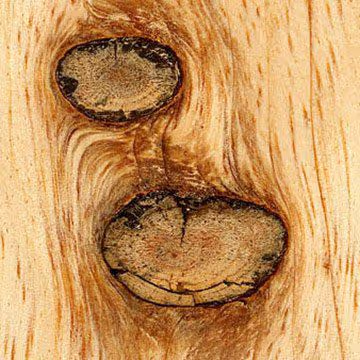
Circular area from branch/twig base, portion of wood moves
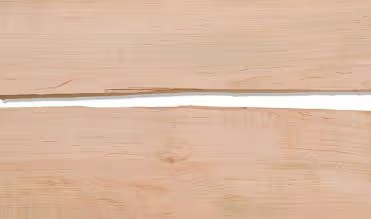
Lengthwise seperation as wood dries
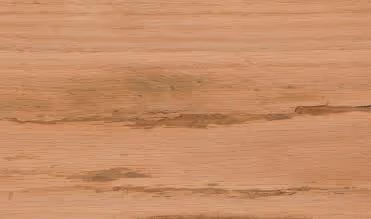
Separation between the annual growth rings
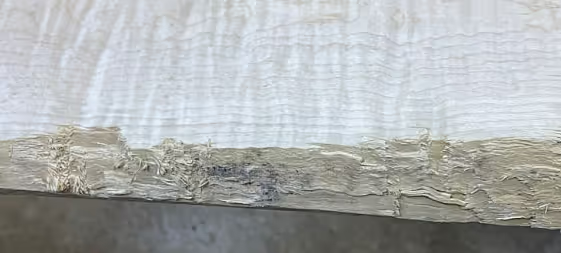
Missing material along the edges of a board
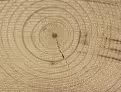
Small soft core at the centre of the tree
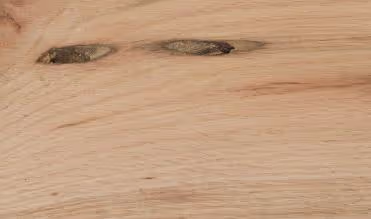
Holes larger than 1/4”
Lumber has both nominal and named sizes. The nominal size is the lumber’s rough dimension before its surfaced to its finished size. This is the size that appears on the label in store. Actual measurements are the approximate final size.
.svg)
.svg)